The Power of Self-Determination Theory (SDT) in UI/UX Design
The Power of Self-Determination Theory (SDT) in UI/UX Design
Aug 2025
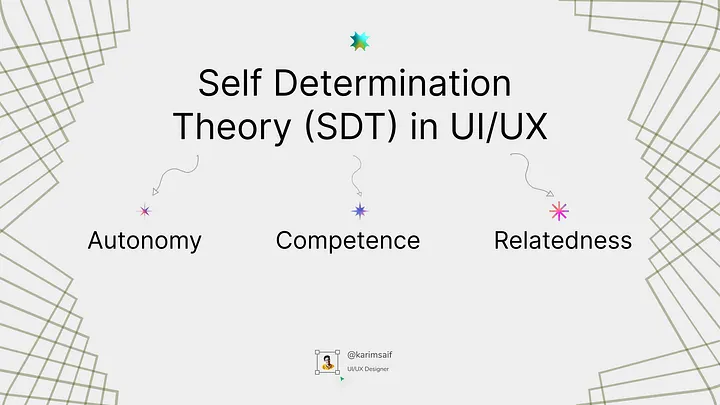
Self-Determination Theory (SDT) is a psychological framework developed by Edward Deci and Richard Ryan that explores human motivation through three universal psychological needs: autonomy, competence, and relatedness. These needs are fundamental drivers of behavior and well-being, influencing how people engage with their environment — including digital products.
In UI/UX design, applying SDT principles helps create products that don’t just function efficiently but also foster motivation, trust, and long-term engagement. By designing experiences that support users’ psychological needs, we can build digital tools that feel empowering, meaningful, and human-centered.
1. Autonomy: Empowering User Control
Autonomy is the need to feel volitional and self-directed. Users thrive when they feel in control of their digital interactions, rather than being forced into rigid patterns.
Actionable Examples:
Customizable dashboards that allow users to arrange widgets according to their preferences.
Transparent privacy settings that are easy to find and clearly explained.
Multiple task pathways to respect different workflows and approaches.
Undo/redo functionality to reduce fear of mistakes.
Optional onboarding that users can skip, pause, or revisit on their own terms.
2. Competence: Building User Mastery
Competence refers to the need to feel effective and capable. A well-designed interface should help users achieve their goals with confidence and steadily grow their skills.
Actionable Examples:
Progressive disclosure to introduce features gradually, reducing overwhelm.
Clear, timely feedback that shows progress and celebrates achievements.
Intuitive navigation that enhances confidence and discoverability.
Constructive error messages that guide instead of blame.
Skill-building tutorials that are contextual and optional.
Visual mastery indicators such as levels, progress bars, or completion rates.
Press enter or click to view image in full size
3. Relatedness: Fostering Connection
Relatedness reflects the need to feel connected to others and to belong. Digital experiences that support relatedness strengthen emotional ties and build user loyalty.
Actionable Examples:
Social features that enable authentic interactions (not just vanity metrics).
Community spaces for users to share experiences and advice.
Collaboration tools that support seamless teamwork.
Personalized experiences that acknowledge user identity and preferences.
Inclusive design that ensures accessibility and representation for all.
Relationship-building features that help users maintain or grow connections. Enhancing User Interfaces with AI
AI can also play a crucial role in enhancing the functionality and aesthetics of user interfaces. From intelligent layout adjustments to dynamic content presentation, AI can help create interfaces that are not only beautiful but also adapt to the user’s needs. This adaptive approach ensures a seamless and engaging user experience across various devices and platforms.
For Users:
Increased engagement and satisfaction with digital products.
Stronger sense of ownership and confidence in their interactions.
Reduced frustration through intuitive, empowering design.
More meaningful and fulfilling digital experiences.
For Designers & Businesses:
Higher retention and user loyalty.
Reduced support costs thanks to intuitive interfaces.
Competitive advantage through user-centered design.
Alignment of business success with user well-being.
More ethical and sustainable digital products.
References
Self-Determination Theory (SDT) is a psychological framework developed by Edward Deci and Richard Ryan that explores human motivation through three universal psychological needs: autonomy, competence, and relatedness. These needs are fundamental drivers of behavior and well-being, influencing how people engage with their environment — including digital products.
In UI/UX design, applying SDT principles helps create products that don’t just function efficiently but also foster motivation, trust, and long-term engagement. By designing experiences that support users’ psychological needs, we can build digital tools that feel empowering, meaningful, and human-centered.
1. Autonomy: Empowering User Control
Autonomy is the need to feel volitional and self-directed. Users thrive when they feel in control of their digital interactions, rather than being forced into rigid patterns.
Actionable Examples:
Customizable dashboards that allow users to arrange widgets according to their preferences.
Transparent privacy settings that are easy to find and clearly explained.
Multiple task pathways to respect different workflows and approaches.
Undo/redo functionality to reduce fear of mistakes.
Optional onboarding that users can skip, pause, or revisit on their own terms.
2. Competence: Building User Mastery
Competence refers to the need to feel effective and capable. A well-designed interface should help users achieve their goals with confidence and steadily grow their skills.
Actionable Examples:
Progressive disclosure to introduce features gradually, reducing overwhelm.
Clear, timely feedback that shows progress and celebrates achievements.
Intuitive navigation that enhances confidence and discoverability.
Constructive error messages that guide instead of blame.
Skill-building tutorials that are contextual and optional.
Visual mastery indicators such as levels, progress bars, or completion rates.
Press enter or click to view image in full size
3. Relatedness: Fostering Connection
Relatedness reflects the need to feel connected to others and to belong. Digital experiences that support relatedness strengthen emotional ties and build user loyalty.
Actionable Examples:
Social features that enable authentic interactions (not just vanity metrics).
Community spaces for users to share experiences and advice.
Collaboration tools that support seamless teamwork.
Personalized experiences that acknowledge user identity and preferences.
Inclusive design that ensures accessibility and representation for all.
Relationship-building features that help users maintain or grow connections. Enhancing User Interfaces with AI
AI can also play a crucial role in enhancing the functionality and aesthetics of user interfaces. From intelligent layout adjustments to dynamic content presentation, AI can help create interfaces that are not only beautiful but also adapt to the user’s needs. This adaptive approach ensures a seamless and engaging user experience across various devices and platforms.
For Users:
Increased engagement and satisfaction with digital products.
Stronger sense of ownership and confidence in their interactions.
Reduced frustration through intuitive, empowering design.
More meaningful and fulfilling digital experiences.
For Designers & Businesses:
Higher retention and user loyalty.
Reduced support costs thanks to intuitive interfaces.
Competitive advantage through user-centered design.
Alignment of business success with user well-being.
More ethical and sustainable digital products.
References
Related posts
Aug 2025
The Power of Self-Determination Theory (SDT) in UI/UX Design
In the ever-evolving landscape of technology, AI and machine learning have emerged as pivotal elements in shaping the future of UI/UX design.

Aug 2025
The Power of Self-Determination Theory (SDT) in UI/UX Design
In the ever-evolving landscape of technology, AI and machine learning have emerged as pivotal elements in shaping the future of UI/UX design.
Sep 2025
Designing for Accessibility: A UI/UX Designer's Guide
Accessibility in design is not just a trend or a regulatory checkbox; it's a fundamental aspect of creating inclusive digital experiences.
Sep 2025
Designing for Accessibility: A UI/UX Designer's Guide
Accessibility in design is not just a trend or a regulatory checkbox; it's a fundamental aspect of creating inclusive digital experiences.